May Day and Beltane: How to Celebrate British Spring Folklore Safely
October 10, 2026 - Folklore

October 02, 2026 - Legends
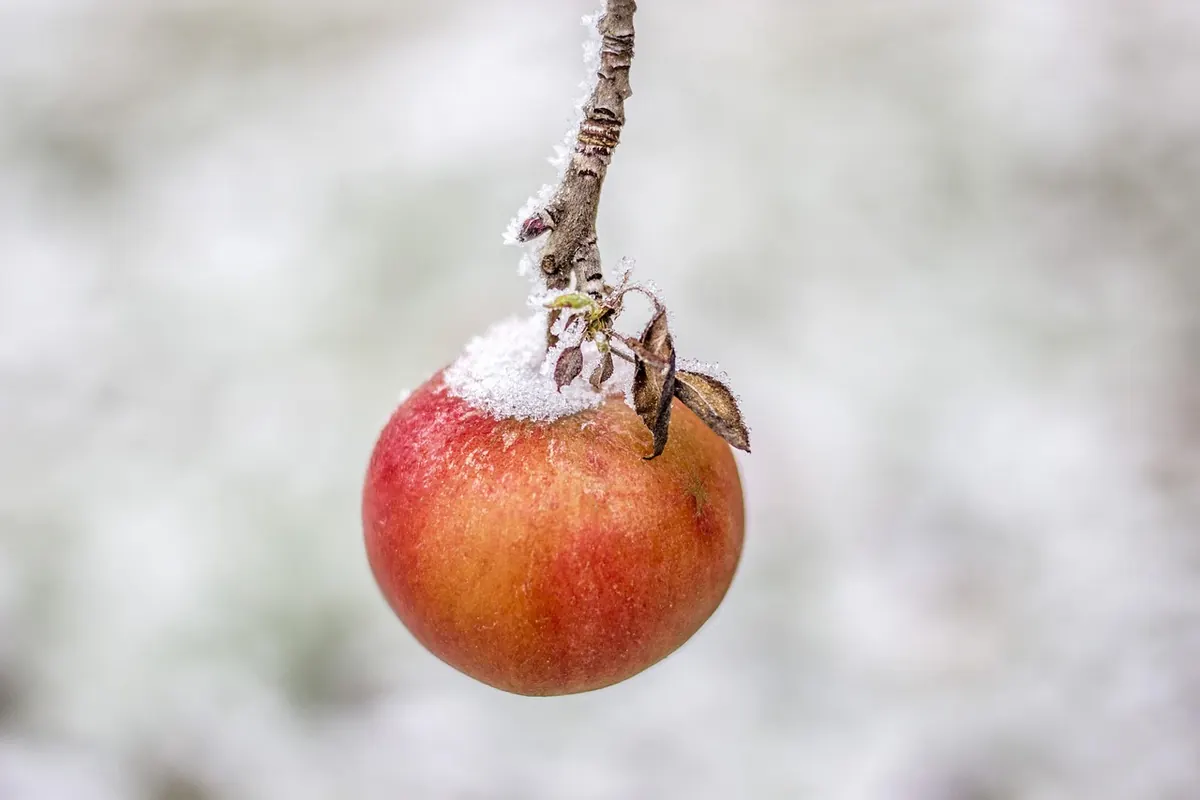
Every January, in orchards from Kent to Herefordshire, small groups of people walk out after dark carrying lanterns, a jug of warm cider and a slice of toast. They gather round the oldest apple tree, sing to it, pour cider over its roots, then make as much noise as they can. It looks eccentric. It is also one of the oldest and most cheerful pieces of British orchard folklore still practised — and you can do it yourself, whether you have three trees at the end of a garden or three hundred in a community orchard.
Wassailing happens on Twelfth Night: the evening of 5 January, or the day itself on 6 January, depending on local habit. Some orchards keep Old Twelfth Night on 17 January, which is Twelfth Night by the Julian calendar. In Somerset and Sussex especially, you will find both dates observed within a few miles of each other, so check locally before you turn up with a lantern.
The word comes from the Old English greeting wes hail — "be in good health". By the medieval period a wassail was a toast: a cup of spiced ale passed round with good wishes. Two customs grew out of it. House wassailing, where singers went door to door with a bowl, and orchard wassailing, where the health of the trees was drunk instead. The orchard version is what people mean today. The aim is simple enough: wake the trees, flatter them, thank them for last year's crop and ask for another one in the autumn.
Not much, and most of it is already in the kitchen.
If children or non-drinkers are joining, keep a pan of spiced apple juice separate from the cider and tell people which is which. Wassailing is a family custom in many villages, and nobody should be left holding an empty mug.
The best-known verse comes from the Somerset orchards and works perfectly well anywhere. Sing it to any tune that fits; most wassail songs sit on five or six notes, so a group of non-singers can pick one up in a couple of goes.
Here's to thee, old apple tree,
Whence thou mayst bud, and whence thou mayst blow,
And whence thou mayst bear apples enow!
Hats full! Caps full!
Bushel, bushel sacks full!
And my pockets full too! Huzza!
Print the words on paper and hand them out. Shorter is better than longer, and a shouted chorus of "Huzza!" covers a multitude of uncertain notes.
The traditional exchange is simple: the wassailers cry "Wassail!" and the rest answer "Drink hail!" Use it as a greeting at the tree, as a toast when the mugs are filled, and as a way of ending the singing without anyone having to decide when to stop.
The old wass
Photo: bohacekmarek / Pixabay

May Day and Beltane mark the start of summer with dew, greenery, maypoles and fires. Here’s how to join in safely,...

A tour of the legends attached to Britain's standing stones — dancing maidens, wandering rocks and the Devil's poor...
Copyright © 2026 Wisp Patch. All Right Reserved.