May Day and Beltane: How to Celebrate British Spring Folklore Safely
October 10, 2026 - Folklore

October 02, 2026 - Legends
There is a particular quiet that settles over a room when a good ghost story gets going. Not silence — the fire ticking, someone shifting on a chair, a glass set down very carefully — but a held sort of quiet. People lean in. Nobody checks their phone. It is a skill worth having, particularly in the months when the dark comes down at half past four and the kitchen table is the best theatre in the house. British storytellers have been refining these tricks for centuries, in farm kitchens, on moorland lanes and in the back rooms of country pubs. What follows is how they did it.
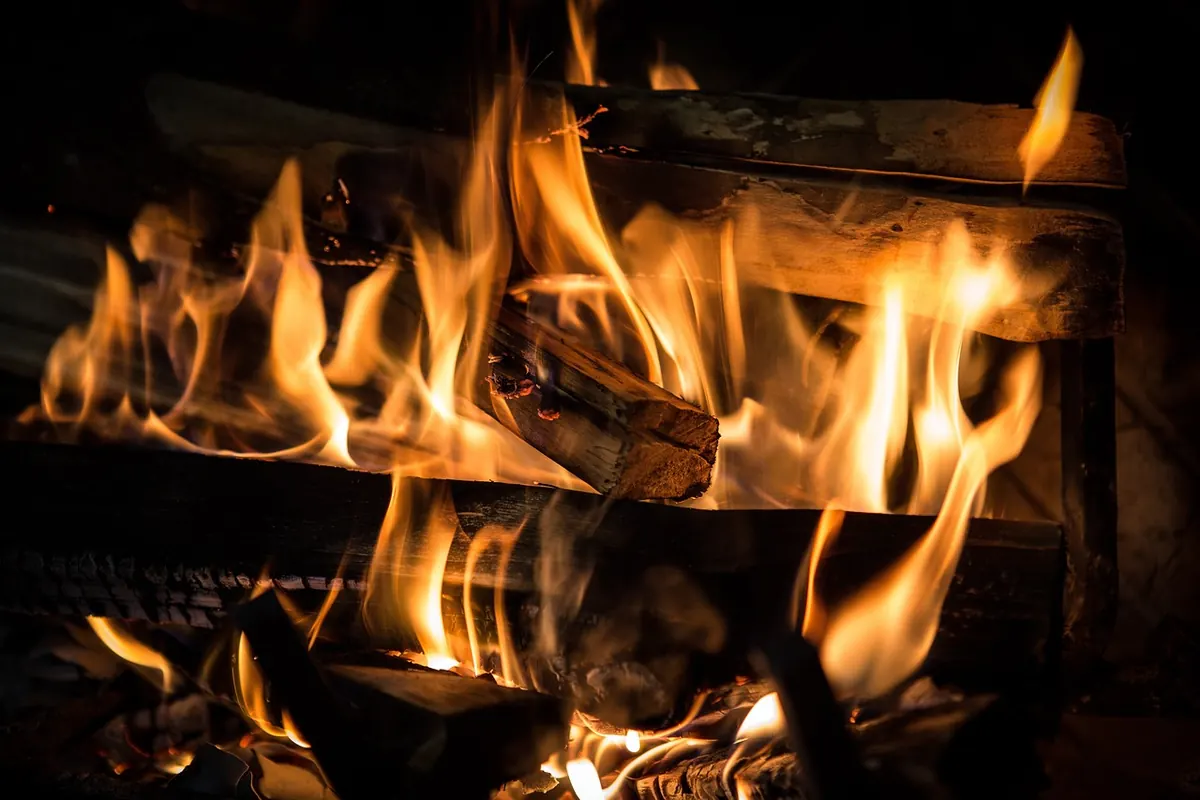
Atmosphere is mostly practical. Turn off the overhead light and leave one lamp, or a fire, or a candle if you have one that does not spit wax onto the carpet. Sit so your face is half in shadow. Wait until people have finished eating and are settled, but not so late that they are nodding off. A ghost story told to a drooping audience is a wasted one.
Then get their agreement. Traditional tellers rarely announced a tale with a flourish; it arrived sideways. “Did you ever hear about the thing at the crossroads?” That small question does two jobs: it invites the listener in, and it makes them curious rather than wary.
Phones face down. This is not fussiness. A screen lighting up in the middle of your quietest sentence will cost you more atmosphere than you can rebuild in a minute.
The strongest openings are ordinary on purpose. Begin with a season, a chore, a journey: a woman walking home from the last bus; a farmer locking a gate; a nurse finishing a night shift. Give the listener a solid, boring world, because the whole effect depends on that world being knocked slightly out of true.
“It was a Tuesday in November and there was nothing to it at all, until she got to the gate.”
That is doing more work than any thunderclap. Resist opening with weather you have invented to be dramatic. If you want rain, make it the rain that soaks through a coat on the school run — the ordinary kind, doing its job.
People rush. Under the pressure of an audience, the temptation is to get to the ghost, and the ghost is precisely the part that needs the least speed and the most space. Slow down. Not in a portentous, radio-announcer way — just a notch below your normal pace, with shorter sentences than you would use in conversation.
Use silence as punctuation. After a strange detail lands, stop for a beat longer than feels comfortable and let the listener fill the gap. When you reach the centre of the tale, drop your voice rather than raise it; a whisper carries further than a shout, and it makes people lean towards you.
A few things worth practising aloud, ideally while walking round the kitchen:
A ghost story works because it could be true. That is why British tradition is so full of named lanes, parish churches, mill ponds and particular bridges. Use what you know: a real village, a real hill, the actual bus stop. General fog is forgettable; “the lane behind the churchyard at Great Hinton” is not.
Weather, sounds and animals all do quiet work. A dog that will not pass a gate. Sheep moving all at once for no reason. The smell of a place — wet stone, coal smoke, the sea. Dialect helps too, used sparingly and in the right mouth: a boggart in the north, a hobby lantern over the fen, a child “frit” of the dark. Keep your local references accurate enough that a listener from the area will nod rather than wince.
One wrong detail beats a full description. A door that was shut and is now open. A wet footprint on a dry floor. A chair pulled out. Two cups on a tray when only one person lives there. Traditional tales rarely describe a ghost in detail; they describe the evidence it left behind and let the listener do the picturing. What the mind builds is always worse than anything you can say.
You do not need new plots. British folklore offers a handful of shapes that have lasted because they work, and you can hang any local detail you like on them.
Restraint is the difference between a tale that stays with someone and one they forget in the car park. Do not explain the ghost. Do not account for the coincidence. Leave one thread loose, and leave the ending unresolved if you can bear to — the listener will finish the story themselves on the walk home, which is exactly what you want. Skip gore. Blood is easy; unease takes craft.
And do not, at the end, laugh it off and announce that you made the whole thing up. That is a small betrayal of the room. Let the quiet sit instead.
Hold the silence for a count of three after your last line. Then bring the room back gently — put a light on, mention the kettle, ask someone else for their tale. One story told properly beats four told quickly, so stop while people still want more.
Read your audience. If a young child is listening, match the scare to the age and finish with something warm and solid: the dog comes home, the door is bolted, the family are all accounted for. If someone has been recently bereaved, or plainly does not want to be there for this, keep the evening light — the aim is shared delight, not distress. And if people have a dark walk or a drive home afterwards, tell a funny one last, or at least mention the route and offer company. That is an old courtesy in country places rather than a superstition.
Keep three or four tales ready, learnt in your own words: a black dog on a lane, a grey lady on a staircase, a cottage that will not sell. Practise them aloud. Then wait for a night when the wind is doing a bit of work on the windows, turn the big light off, and begin with the dullest sentence you can manage.
Photo: LAWJR / Pixabay

May Day and Beltane mark the start of summer with dew, greenery, maypoles and fires. Here’s how to join in safely,...

A tour of the legends attached to Britain's standing stones — dancing maidens, wandering rocks and the Devil's poor...
Copyright © 2026 Wisp Patch. All Right Reserved.