May Day and Beltane: How to Celebrate British Spring Folklore Safely
October 10, 2026 - Folklore

October 02, 2026 - Legends
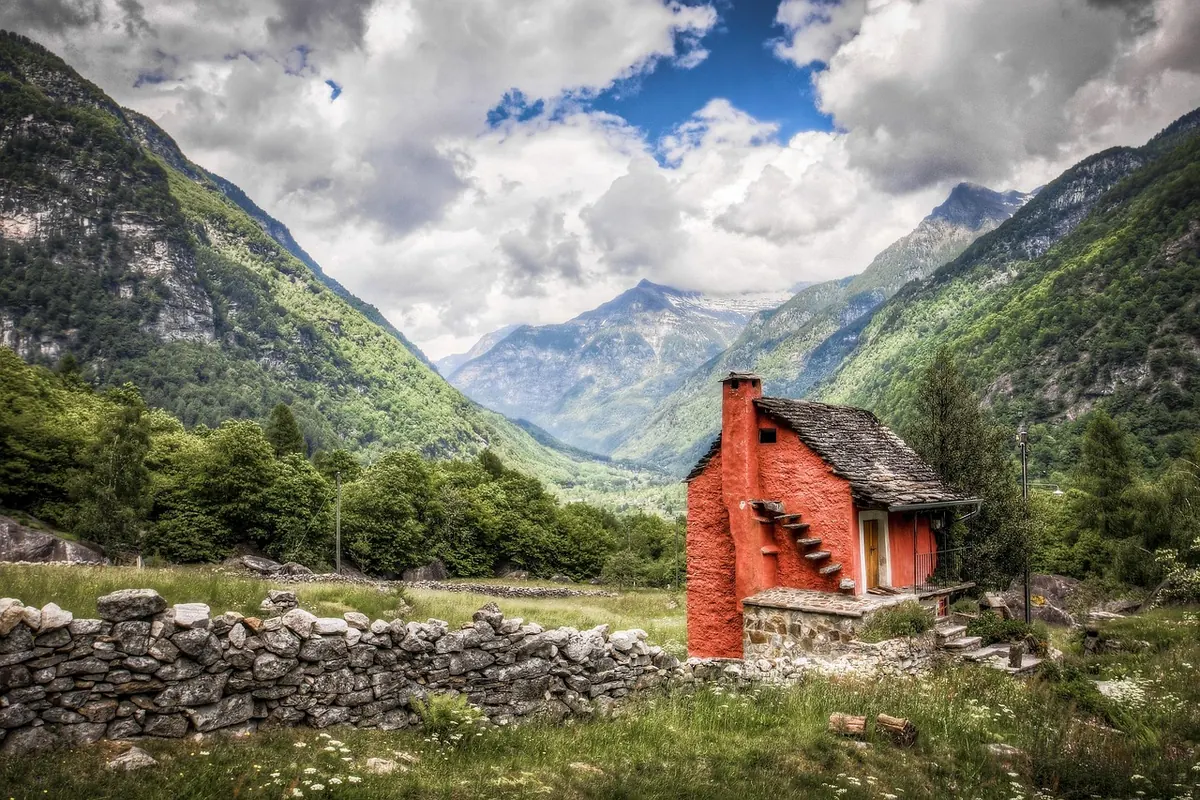
Most old houses in Britain had something else living in them. A small brown figure that finished the churning overnight and was gone by cockcrow. Or a presence on the stairs that hid the good knife, soured the milk and slammed a door when there was no wind. Neighbours might call either one a brownie; travel twenty miles and the same story would be told about a boggart instead.
That muddle is honest. The names overlap, households blurred them, and these creatures were thought to change with their treatment. But there are working differences between them — in behaviour, in appearance, and above all in what they do when they are slighted. Here is how to tell a brownie from a boggart from a hobgoblin.
Brownies, boggarts and hobgoblins belong to the same broad family of domestic and farm spirits. All three attach themselves to a place or a family rather than to the wild: a hearth, a byre, a mill, a particular field. All three are usually invisible, or nearly so. All keep roughly to the hours between dusk and the first cockcrow, and all take an interest in order, tidiness and dairy produce. They are also, in nearly every account, quick to take offence. The difference lies in what they do about it.
They also overlap with cousins across Britain: the bwca of Wales, the Manx fenodyree, the Scottish killmoulis who helped at the mill and was said to have no mouth at all. If you know those names from your own parish, you already know the pattern.
Brownies are the useful ones. The word is Scots and northern English, and the classic brownie is a short, stocky, hairy figure — brown-skinned, or dressed in brown rags, sometimes with no clear features at all, just a shape you feel rather than see.
What matters is the work. A brownie comes out at night and does the jobs nobody asked it to do: threshing the corn, churning the butter, mucking out the byre, bringing the cattle in out of the weather. A farm with a brownie in it was held to prosper, and its people were careful not to wonder too loudly why.
A slighted brownie does not always simply leave. In a great many stories, being clothed, spied on or thanked turns a helpful spirit into a sullen one — and this is where boggart tales begin. Some families got a brownie; others got the same creature after a careless remark, and the two are rarely easy to tell apart in the early stages.
Boggarts are northern English, especially Lancashire and Yorkshire, and the Borders. They attach themselves to a family, a farm or a spot in the landscape, and they stay. A boggart is a nuisance first and frightening second: it hides tools, rattles latches, pulls the bedding off the bed, spoils the milk, scatters the ashes and sets the dogs howling.
Some specialise in noise. Others are less a household pest than the spirit of a place — a lane, a bridge, a clough, a stretch of water. Manchester's Boggart Hole Clough is the famous example, and the tales there are less about butter and more about travellers who took the wrong path.
The crucial difference from a brownie is this: a boggart does not work. It will undo work, but it will not finish any. Its interest is attention, and often company. It can be driven out, but almost never by force — the old tales rely on trickery, on a clever bargain, or on a riddle it cannot refuse. And it tends to follow the family rather than the house. In the best-known version, a household gives up and moves, and on the road a neighbour hears a familiar voice remark that they are all moving together.
The hob in hobgoblin is old — a warm, rustic, hearth-side sort of sprite, related to the friendly Robin Goodfellow of the old plays. The hobgoblin sits between the other two. Too playful to be much use, not malicious enough to be a boggart, though plenty of tellings blur the edges.
Expect practical jokes rather than chores or cruelty: things moved an inch to the left, doors opened in the night, voices mimicked from the next room, a chair drawn out just as you sit down. A hob may do a little work if it feels like it, and expects some acknowledgement in return — a saucer of milk, or simply to be left to its amusements. In later usage the word came to mean something far more frightening, but the household hob of tradition is a milder, sillier thing.
Treat a brownie like a colleague who does not want to be thanked. Keep the dairy clean, keep your word, leave the bowl out, and say nothing. Treat a hobgoblin like a lodger with too much time on its hands: give it a saucer now and then, keep breakables high, and don't rise to it. A hob is usually bored rather than wicked, and boredom is easier to manage than malice.
A boggart is different. Don't confront it, don't name it, don't boast about it in the village, and don't try to match its noise. Old remedies lean on distraction and misdirection — a task it cannot finish, a bargain it cannot break, a riddle it cannot leave alone. If any of that sounds like a great deal of effort, you have understood the tradition correctly.
The practical rules are short and they all point the same way: mind your manners in your own house.
Few of us now have a hearth to leave cream on, or a byre to be mucked out. That doesn't matter much. The stories were always less about farming than about how to live with something you cannot control and did not invite — the lodger, the relative, the weather, the house itself. Be quiet, be fair, and don't give it clothes. It will usually settle.
Photo: pixifant / Pixabay
May Day and Beltane mark the start of summer with dew, greenery, maypoles and fires. Here’s how to join in safely,...

A tour of the legends attached to Britain's standing stones — dancing maidens, wandering rocks and the Devil's poor...
Copyright © 2026 Wisp Patch. All Right Reserved.