May Day and Beltane: How to Celebrate British Spring Folklore Safely
October 10, 2026 - Folklore

October 02, 2026 - Legends

The first thing to say about protecting a home is that British folklore rarely reached for anything dramatic. It preferred habits. A pinch of salt on the windowsill. An iron nail tapped into the door frame. A horseshoe that has hung above the front door so long that nobody remembers putting it there. The aim was never a fortress. It was to mark a house as somewhere certain visitors were not welcome.
That distinction matters. A fortress invites a siege; a marked house simply declines the invitation. Folklore is full of stories where the protection fails not because the charm was weak, but because the household grew careless — a swept step left unswept, a salt line allowed to blow away, a horseshoe taken down for decorating and never put back.
What follows are the main traditional protections, roughly in the order you would use them, and how to make them work in a modern home. None of it requires a trip to a specialist shop. Most of it is already in your kitchen, your toolbox or your garden.
The threshold is the busiest part of any house. Everything crosses it: visitors, weather, post, luck. It is also, in folklore, the one place where outside most easily becomes inside, which is why so much protection gathers there. A few old rules still make good sense:
The principle underneath all of these is simple: the threshold should look cared for. A tidy step says someone is paying attention. In folklore, that alone is a deterrent. An untidy one, with a broom left outside, is practically an open invitation — and a broom left on a step overnight is said to sweep luck away from the house. If you must leave something out, let it be a welcome mat and nothing else.
Salt was once valuable enough to be worth guarding, and that history sits behind its use as a barrier. It is also the easiest protection to keep up, because it is already in the kitchen.
Put a small saucer of salt on each windowsill, or a pinch in the four corners of a room. A little under the doormat does the same work. Replace it weekly, or after a thorough clean; salt that has sat for months is just dusty salt. Tip the old salt into the bin rather than washing it down the sink.
In some old accounts, salt was put in the corners of a room before a child was born, or carried in a pocket on a dark road. The logic was the same: salt preserves, and a preserved house is a house that cannot easily be soured.
A pinch at the door, a saucer at the window, a line along the step: salt asks nothing of you but attention.
Two practical warnings. Salt corrodes metal, so keep it off brass letter plates, hinges and steel threshold strips — a saucer solves that. It also kills plants, so do not scatter it over a doorstep border or the front garden. If you spill salt at the table, the old habit is a pinch thrown over the left shoulder: a way of undoing the moment rather than a defence against anything in particular.
If you use salt regularly, keep a small dish specifically for it. A jam jar lid works. Do not use the same salt you cook with, not for hygiene so much as for intent — the protective salt should have its own place, so you notice when it needs replacing. Some households replace it on a Friday, before the weekly clean. Others do it on the first of the month. Pick a day and keep to it; the habit is half the protection.
Iron is the other great household protection, and the belief is old: fairies, witches and less welcome night visitors were said to dislike it. You do not need anything antique.
Tradition says protective objects should not be given away, and that if iron must change hands, a small coin should change hands — a penny, a sixpence, anything that makes it a transaction rather than a gift. A horseshoe is iron, and its power is doubled if it has been used. Hang it points up to hold luck in, points down to pour it over the house; traditions disagree, so choose one and be consistent. If it falls, do not panic — rehang it and say a quiet word of thanks. What matters is that it is iron, that it is above the door, and that you remember it is there.
Do not worry if your iron is modern. A steel screw or a cast-iron skillet under the bed is not traditional, but the metal is the point. The old fear was of iron's cold, forged, unyielding nature. A factory-made nail has that in spades.
One warning: iron rusts. If you drive a nail into a door frame, choose a spot that stays dry, or accept the rust as part of the charm. Do not oil a protective iron with anything that smells strongly; the smell is half the point in some traditions.
The garden is the first line of defence, and the easiest to overlook. A boundary of certain plants was once as common as a fence. Rowan is the classic: a rowan tree by the gate, or a cross of rowan twigs tied with red thread above the door. St John's wort was gathered on Midsummer Eve and hung in the house. Rosemary, bay, garlic and thyme all have their advocates. You do not need a medieval herb garden. A pot of rosemary by the door, a bay tree either side of the step, a few garlic bulbs hung in the kitchen will do.
Keep the plants alive. A dead protective plant is worse than none, because it suggests neglect. If a plant dies, replace it promptly. Cut back anything that blocks the light from a window, especially ivy, which is said to invite in what you are trying to keep out. A dark window is a welcome mat for the wrong sort of visitor.
Sound and light are the other old protections. A bell by the door, rung once when you come in and once when you go out, clears the air. In some households, a bell is rung at dusk to mark the change from day to night, a small ritual that says the house is closed for the evening. Wind chimes do similar work, though they are less popular with neighbours.
Mirrors need more care. A mirror facing the front door is said to reflect back whatever enters, which sounds useful until you remember that it also reflects you. Better to keep a small mirror in a hallway, facing away from the door, or to cover a large mirror at night with a cloth. Never keep a cracked mirror in a house where you are trying to feel safe. Replace it, or put it in a cupboard. The old fear of broken glass was not only about seven years' bad luck; it was about the idea that a mirror holds a piece of the room, and a broken one holds a broken piece.
Light is simpler. Leave a lamp on in a front window when you are out after dark. Not a floodlight, not a security beam, just a warm bulb. It says the house is occupied and untroubled. In folklore, darkness is not evil in itself, but it is an invitation to be tested. A lit window is a polite refusal.
The most powerful protections are not objects at all. They are words, and the rules around them are strict. Never invite anything over the threshold. If you hear a knock and no one is there, do not say “come in” to the empty air. Say “good evening” and close the door. If you must speak of fairies, witches or the restless dead, use a respectful euphemism: the good folk, the others, the neighbours. Names have power, and to name something is to call it.
Do not boast about your luck, your children or your health in front of an open door. Do not thank a stranger who helps you unexpectedly; thank the help, not the stranger. Do not accept a gift from someone you do not trust, especially if it is small, shiny and offered at dusk. And if you are invited to a party you cannot place, decline politely. The old stories are full of people who said yes to an invitation and spent the rest of their lives explaining where they had been.
A house is protected less by what hangs on its walls than by what is said and unsaid at its door.
In modern terms, this is about boundaries. You do not have to be rude. You just have to be clear. A house that knows its own rules is harder to unsettle.
Not every unwelcome visitor announces themselves. Sometimes the signs are subtle: a room that feels colder than it should, a pet that refuses to enter a particular corner, a run of nightmares, keys or small objects that go missing and turn up in odd places, a sense of being watched when you are alone. Folklore offers a sequence for this.
If the feeling persists, repeat the routine for three days. If it still persists, ask for help. A local folklorist, a clergyperson, or an older neighbour who knows the house's history may have specific advice. Some houses have reputations, and some have habits. Neither is a reason to move out in a hurry.
All of this is easier if it becomes routine. You do not need to perform a ritual every day. You need a few habits that take minutes.
None of this is a guarantee. Folklore rarely offers guarantees. What it offers is a way of paying attention. A house that is noticed is a house that is harder to enter uninvited. A saucer of salt, a nail in the door, a rosemary bush by the step — these are small, stubborn signals that someone lives here, and that they are minding the door.
The first thing to say about protecting a home is that it is not about fear. It is about care. The old protections were never meant to make a house invincible. They were meant to make it familiar, and to make it yours. Do that, and most unwanted visitors will find somewhere else to go.
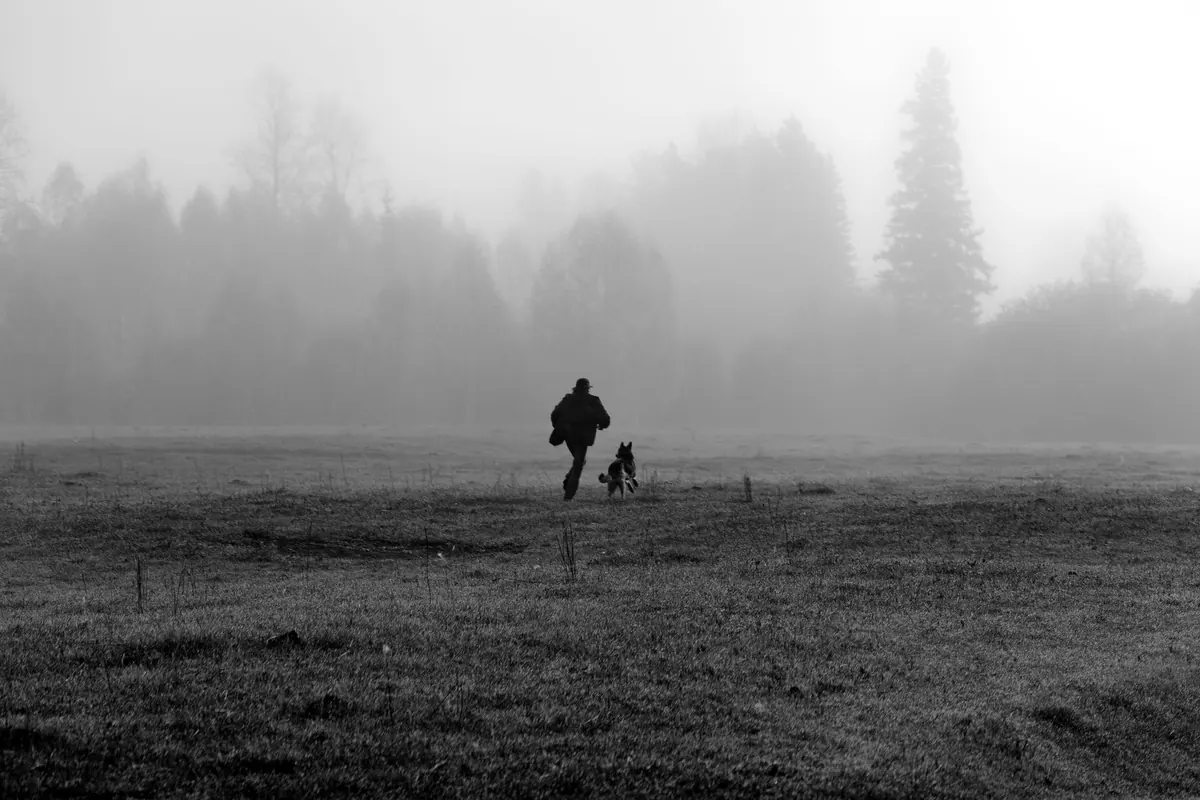
Photo: KeYang / Pixabay

May Day and Beltane mark the start of summer with dew, greenery, maypoles and fires. Here’s how to join in safely,...

A tour of the legends attached to Britain's standing stones — dancing maidens, wandering rocks and the Devil's poor...
Copyright © 2026 Wisp Patch. All Right Reserved.